
Active means more than exercise
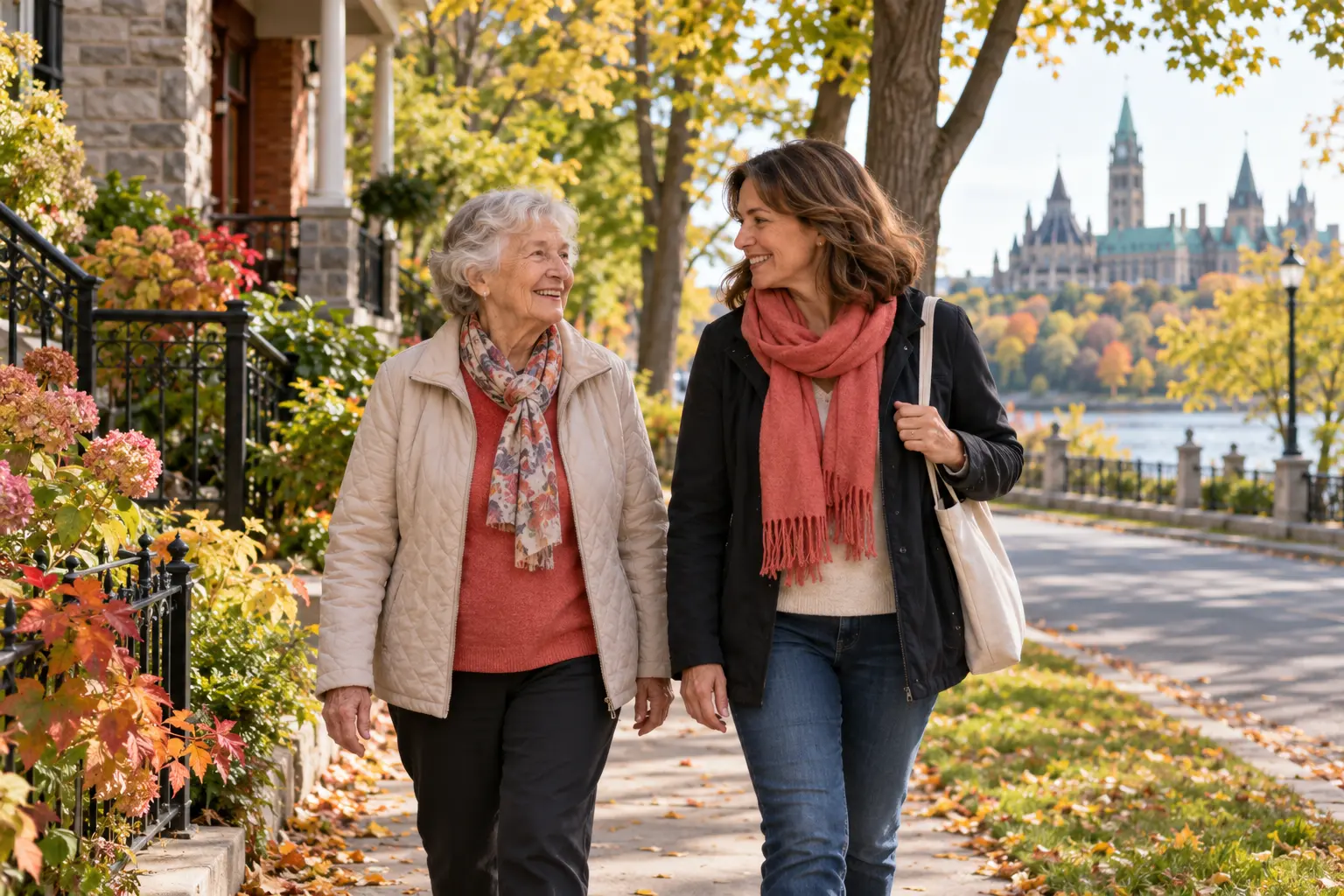
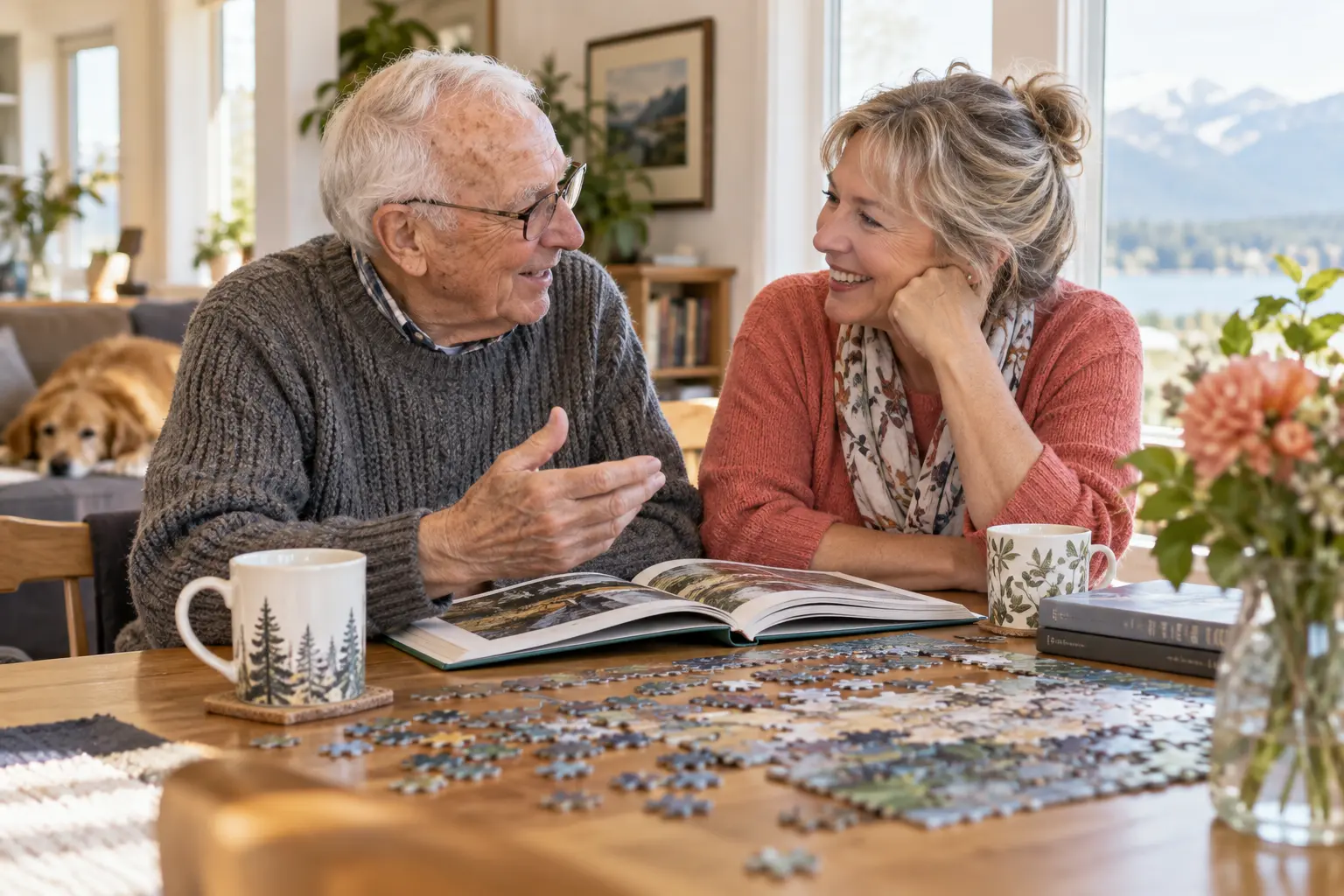
An active life may include walking, but it can also mean painting, cooking, visiting a market, attending a community event, playing an instrument or tending a balcony garden. The common thread is participation: having reasons to use attention, movement and curiosity in ways that suit the person.
A companion can lower the social barrier to getting started. Trying an activity alone may feel awkward or unsafe, while doing it with a familiar person can make it more approachable. The company also turns an errand or exercise into shared time rather than another task to complete.
Motivation grows from enjoyment
Telling someone what they should do rarely builds lasting motivation. Asking what they miss, what they used to enjoy and what feels possible today is more productive. A person who dislikes gyms may love walking through a greenhouse. Someone with limited mobility may enjoy seated movement to favourite music or working on a tabletop project.
A companion’s role is encouragement, not supervision or physical rehabilitation. Any activity should stay within agreed boundaries and the person’s abilities. New exercise plans, symptoms or fall concerns should be discussed with the appropriate health professional.
Plan for confidence and access
Practical details can decide whether an outing feels inviting. Consider distance, seating, washrooms, weather, noise, mobility aids, transportation and the likely energy required to return home. Planning a shorter first outing can build confidence without creating pressure to endure more than is comfortable.
Choice should remain with the older adult. A companion can offer two or three realistic options and accept “not today” without disappointment. Trust grows when limits are respected. It also makes a future yes more likely to be genuine.
- Begin with familiar places and a clear start and end time.
- Choose activities that allow conversation but do not require it constantly.
- Have an indoor or lower-energy alternative ready.
- End while the experience still feels positive.
Progress is not the only measure
An active afternoon does not need a performance goal. The walk may be slow. The recipe may not turn out perfectly. The puzzle may remain unfinished. If the activity created interest, agency and connection, it was worthwhile.
Companions can reinforce this by noticing enjoyment rather than output: “You chose a beautiful route,” or “I liked hearing why that song matters to you.” This keeps the relationship away from evaluation and closer to shared experience.
The central ideaThe most helpful activity is safe, personally meaningful and chosen together; a companion adds encouragement and enjoyment, not pressure.
Sources and further reading
We favour official, public-health and first-party resources. Links open the original source so you can read the guidance in context.
Please note: Helping Companions provides social companionship—not medical, mental-health, nursing, transportation or personal-care services. Companions do not provide medication support or medical monitoring. If a medical problem or suspected medical emergency arises during a visit, call 911 (or the local emergency number) immediately and follow the dispatcher’s instructions.